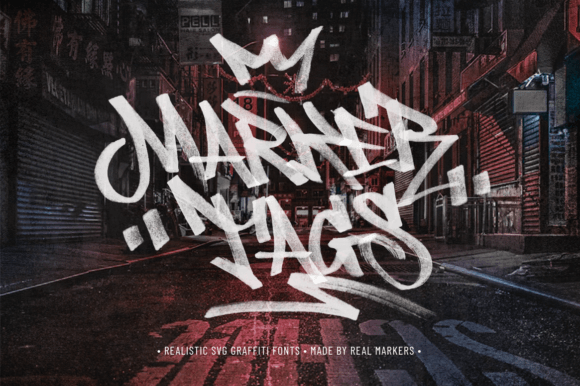
Marker Tags Font for Web Design
Marker Tags is a unique display font crafted with real markers, offering a gritty, authentic feel that stands out in digital design. Designed for web designers and UI creators, this font brings a raw, hand-drawn aesthetic that works well in creative projects, branding, and visual storytelling.
Marker Tags for Creative Portfolio Sites and Branding
For web designers building creative portfolios or brand identity systems, Marker Tags adds an edgy, artistic flair that complements modern design trends. Its irregular, marker-like strokes bring a sense of authenticity to headers, logos, and section titles. When used in combination with clean sans serif fonts, it creates a balanced contrast that enhances readability without sacrificing style.
This font is ideal for websites targeting younger audiences or niche markets that value a handmade, unpolished look. Whether you're designing a personal portfolio, a digital agency site, or a boutique brand, Marker Tags helps establish a strong visual identity that resonates with creative professionals.
Marker Tags for Landing Pages and Call-to-Action Buttons
In landing pages and CTA buttons, Marker Tags can be used strategically to draw attention and create a bold visual impact. Its textured appearance makes it perfect for short phrases like "Join Now," "Get Started," or "Limited Offer." However, it's best reserved for headlines rather than long blocks of text due to its limited legibility at smaller sizes.
When using Marker Tags on buttons, ensure the background contrasts sufficiently with the font color. Dark backgrounds with light text or vice versa will maximize visibility and user engagement. Pairing it with a solid, readable body font ensures the overall layout remains accessible and professional.
Marker Tags for Social Media Graphics and Digital Ads
Social media graphics and digital ads benefit from the visual punch of Marker Tags. Its graffiti-inspired style adds a dynamic energy that catches the eye in fast-paced online environments. Whether creating Instagram story overlays, Facebook ad banners, or Twitter header images, this font brings a sense of urgency and creativity to the design.
For maximum impact, use Marker Tags sparingly. Overusing it can reduce readability and dilute the message. Instead, apply it to key headlines or subheadings that guide users through the content. This approach maintains clarity while adding a distinctive personality to the design.
Marker Tags for Online Store Banners and Product Headlines
Online store owners looking to differentiate their brand can leverage Marker Tags in product banners, category headings, and promotional messages. Its grunge-style texture gives a vintage, handmade feel that appeals to customers seeking unique, artisanal products.
When integrating this font into e-commerce sites, consider how it interacts with other design elements. Avoid placing it over busy backgrounds or low-contrast images. Instead, use it on solid-colored sections or paired with simple illustrations to maintain visual harmony and brand consistency.
Marker Tags for Blog Headers and Content Sections
Blogs and content-focused websites can use Marker Tags to add a creative touch to headers, section titles, and featured content. Its textured appearance adds depth and character, making it ideal for lifestyle, art, or design-related blogs. However, it should not be used for body copy due to its lower readability on screens.
Pairing it with a serif or sans serif font creates a visually engaging layout that guides readers through the content. For example, using a clean, modern sans serif for paragraphs and Marker Tags for subheadings improves both aesthetics and usability. This approach ensures the design remains professional while maintaining a unique voice.
Marker Tags for Course Sales Pages and Educational Websites
Educational websites, course sales pages, and learning platforms can use Marker Tags to emphasize key messages and create a more engaging user experience. Its expressive style works well for headlines like "Start Your Journey" or "Unlock New Skills," helping to capture attention and convey enthusiasm.
When designing for educational content, balance the use of Marker Tags with clear, easy-to-read typography. Ensure that the font doesn't interfere with the overall flow of information. Using it for short, impactful statements rather than lengthy descriptions keeps the design focused and effective.
Marker Tags for Logo Design and Visual Identity Systems
Logo designers and brand strategists can incorporate Marker Tags into custom typography for logos, icons, and brand assets. Its handwritten, marker-like quality adds a personal, authentic touch that sets a brand apart from competitors. This font is particularly effective for brands in the arts, music, fashion, or independent publishing industries.
When using Marker Tags in logo design, consider the scalability of the font. Test it at different sizes to ensure it remains legible and retains its character. Combining it with a minimalist logo or icon can create a strong, cohesive brand identity that feels both professional and creative.
Marker Tags for Mobile-First Web Design and Responsive Layouts
With mobile-first design becoming standard, it's essential to evaluate how Marker Tags performs on smaller screens. While it excels in larger formats, it may require adjustments for optimal readability on phones and tablets. Use it for prominent headings or interactive elements, but avoid using it in body text or small buttons where clarity is crucial.
Responsive layouts should include fallback options for users with accessibility needs. Pairing Marker Tags with a scalable, readable font ensures that all users can engage with the content effectively. Testing the font across different screen sizes and resolutions helps maintain a consistent, user-friendly experience.